
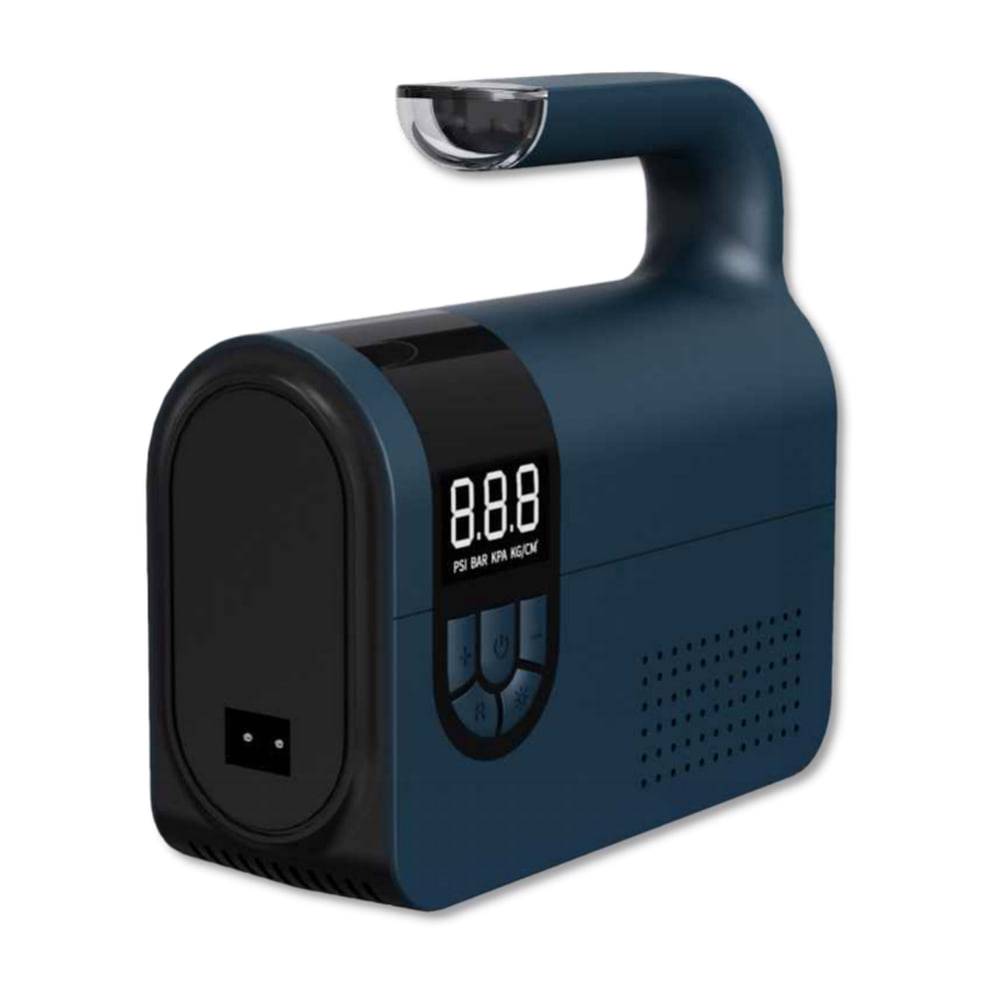
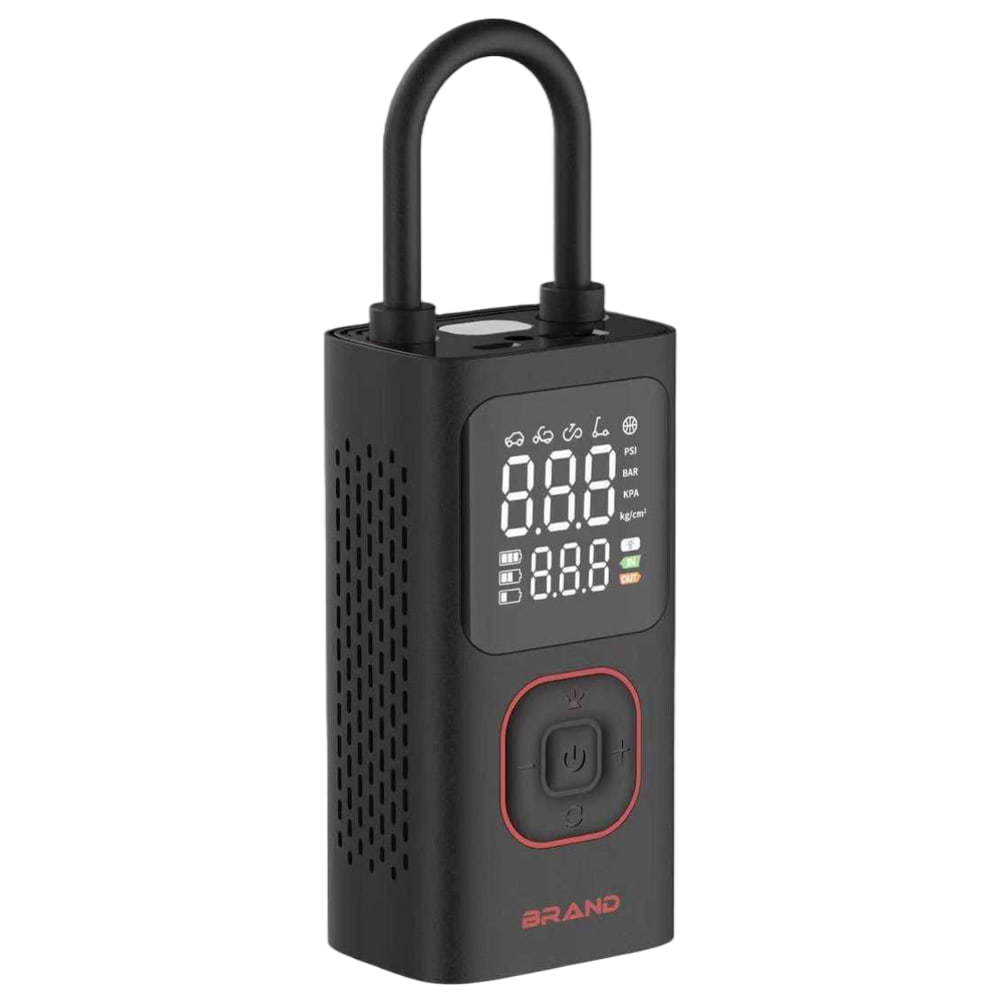
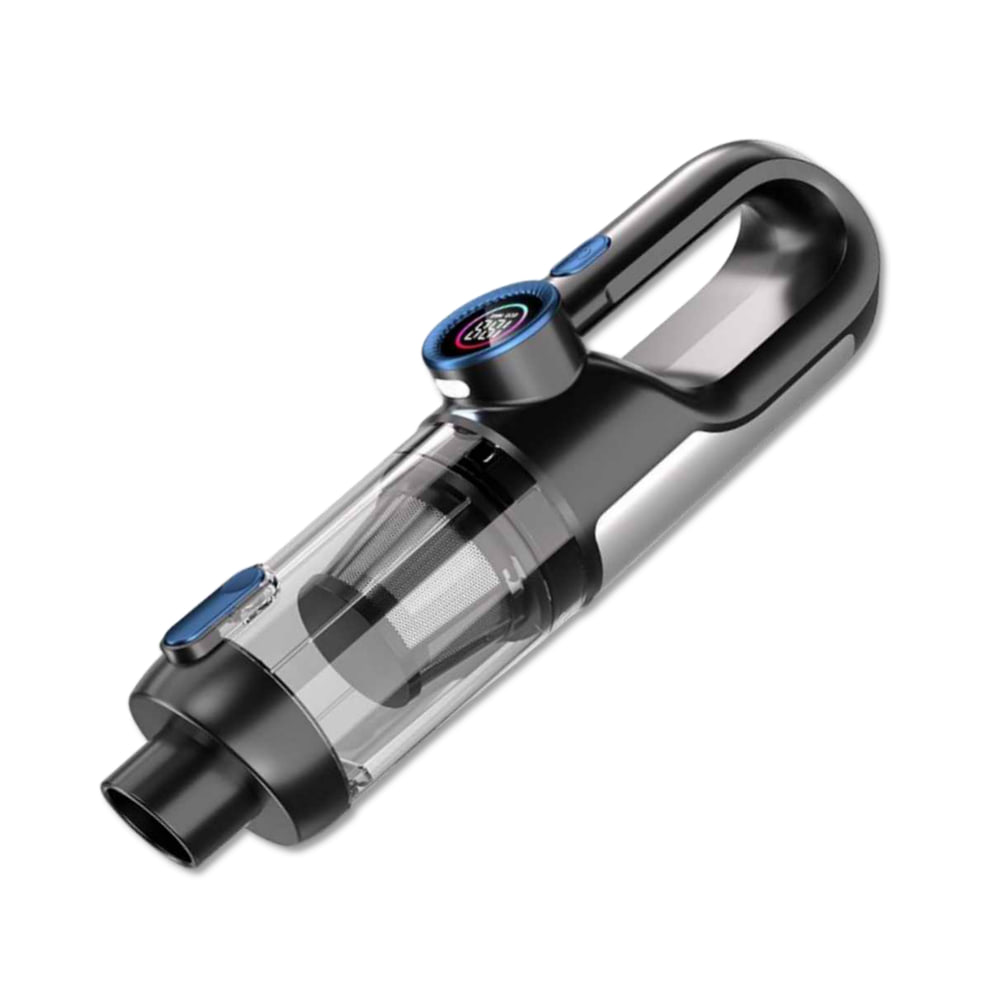
Why a live call beats a photo pack
The questions that separate an assembly operation from a forwarding operation are physical: where the housing tool is kept, who welds the battery pack, where the test bench sits, and whether finished units are being packed today. All four can be answered in a fifteen-minute call, and none of them can be answered convincingly with a catalogue image.
The same call also tells you how a supplier communicates under pressure. A supplier who walks to the bench and shows a running test is easier to work with than one who offers to send photos later.
The seven shots to request on one continuous call
| # | What to see | What it proves | Weak signal |
|---|---|---|---|
| 1 | Incoming components with labels on the boxes | There is a material inflow for your product category | Only finished goods in the frame |
| 2 | Housing mould or tooling storage, with a part in hand | Cosmetic changes and colour runs can be controlled | Tooling is always "at a partner" |
| 3 | Batería pack assembly or the pack receiving and inspection point | The highest-risk subsystem is understood | No one can name the pack supplier |
| 4 | Driver or PCB assembly and the soldering station | Electronics are not entirely bought in as a sealed module | Only a finished-board swap |
| 5 | Function and charging test bench with units running | Every unit is switched on before packing | A bench with no power or no units |
| 6 | Packing line with your carton specification or a plain equivalent | Carton, insert and label control exists | Cartons arrive pre-packed from elsewhere |
| 7 | A unit pulled at random and switched on during the call | The line is live, not staged | A pre-selected sample from the sample room |
Pre-shipment inspection: agree the sampling plan first
| Check | How to sample | Pass criterion to agree in writing |
|---|---|---|
| Carton count and markings | Count cartons and read the shipping marks against the packing list | Quantity, model and artwork version match the order |
| External appearance | Random units from several cartons, not one | No scratches, flash, mismatched colour or loose lens within the agreed limit |
| Function | Switch every sampled unit through all modes | All modes, charging indicator and, where fitted, compressor or vacuum run as specified |
| Output and runtime | A smaller sub-sample on the bench protocol | Readings within the tolerance agreed on the golden sample |
| Charging and plug | The market plug on the correct mains voltage | Fits, charges, no abnormal heating or indicator fault |
| Accessories and paperwork | Open full retail boxes from different cartons | Every adapter, manual and insert present, correct language |
| Drop and carton | Agreed drop height on packed cartons | No unit damage, no carton split, no loose contents |
Defect classes and what to do with each
- Critical: a safety or compliance issue, a wrong plug or a non-functioning unit. Stop the shipment, quarantine the batch and agree a rework or replacement plan.
- Major: a fault a retail customer would return, such as a loose lens, a dead mode or badly printed artwork. Rework and re-inspect before the balance is released.
- Minor: a cosmetic variation within an agreed tolerance. Record the count and trend it across orders, because drift is an early warning of a component change.
- Documentary: a missing or mismatched record. Treat it as a hold point, not an administrative favour after shipment.
Records to request with the shipment
- Incoming battery or component inspection record for this order.
- A 100% function and charging test record, with the quantity and date.
- The final inspection report with the sampling plan and the results by defect class.
- A carton drop or stacking record where agreed.
- For lithium packs, the UN38.3 test summary and MSDS, plus the transport documents the forwarder requires.
- A photo of the sealed golden sample next to a unit pulled from the production carton.
From one call to a repeatable scorecard
| Area | Evidence to score | Weight |
|---|---|---|
| Capability | Which of the seven shots could be shown live | High |
| Documentation | Records tied to the order, with matching model numbers and dates | High |
| Communication | Technical questions answered directly, assumptions and exclusions stated | Medium |
| Consistency | Mass-run units compared with the sealed golden sample | High |
| After-sales | Spare-parts policy and dead-on-arrival handling stated in numbers | Medium |
Using the result commercially
Put the agreed sampling plan and pass criteria into the purchase order, and make the pre-shipment records a condition of the balance payment. Then the audit is not a one-off favour: it is the same checklist for every shipment, which is what lets you compare a second supplier fairly against the first.